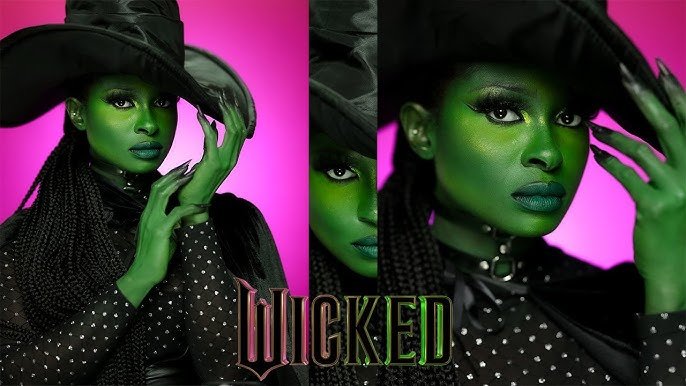
In my opinion, Elphaba’s story relates to me. This is due to the Green-skinned aspect of her character, which makes her a person of color. This is something that I can relate to—it’s a fight to be recognized as who one is as a person and not be defined by how they look.Behind the Magic: Unraveling Wicked’s Legendary Costumes with Oscar Winner Paul Tazewell.
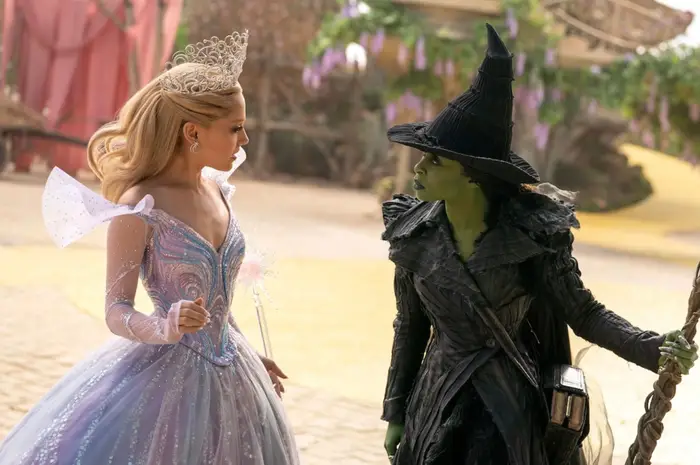
Wicked has certainly won our hearts, and the amazing costumes had a great deal to do with transporting us to the world of Oz.
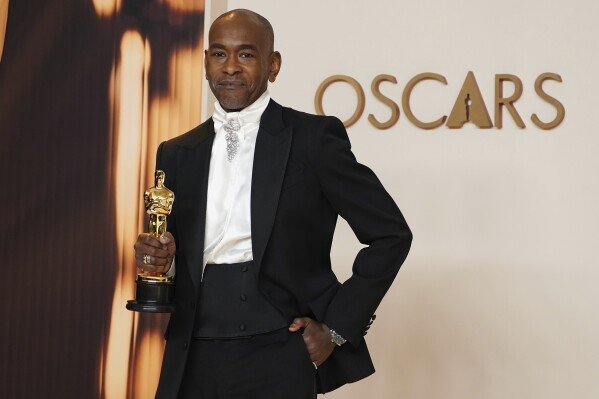
We were able to have an exclusive conversation with the very talented costume designer Paul Tazewell about his win at the Oscars, what “Wicked” signifies to him, as well as the unstated narratives embedded within his costumes.
Both installments of Wicked have been put out, but let’s take a step back for a second: one of the first shows that you worked on wasThe Wiz. How does this feel like coming full circle for you?
The world of The Wizard of Oz has been a part of my life ever since I was about four, with my family watching the movie each year. Later, with the advent of The Wiz, a play I had known about from my theater experiences, and finally a movie version with Diana Ross and Michael Jackson, I experienced a full-circle moment in my life. This feeling stayed with me because the movie, in its own small way, maintained a connection with my childhood.
As a designer, you have worked with black and brown voices for numerous large-scale shows, such as Hamilton and West Side Story. And then Wicked comes along, with Elphaba going to be portrayed by a black female actress. How did that make you feel?
I felt very comfortable with that notion because that is how I felt about the story, even before we cast Cynthia Erivo in the role. My goal for all my characters is to be able to find something in me that I relate to, so I know what to do with their wardrobe, how to see the development of their personalities over time, and how to use color or texture to portray emotion. Elphaba’s narrative is very important to me, because as someone who is a woman of color, although green-skinned, I know what that struggle is all about—that is, being understood for who you are, not for what you look like on the surface.
This helped to give me a sense of connection to the character as a result of making these choices that were personal to me. Finally, the cherry on top was to have Cynthia come in to play Elphaba. It made this experience that much more special, as I had done a play with her before in Harriet. Therefore, her sensibility made our experience together intimate to the point that we could have a conversation about how to bring the most authentic Elphaba to the show.
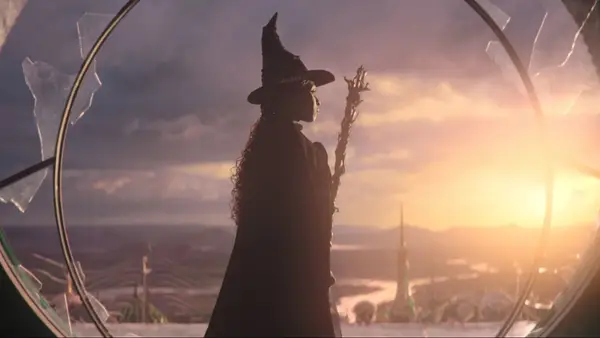
You’re the first Black man to win an Oscar for costume design. If you could gaze into the mirror, like young Elphaba and Glinda, and see in it the face of that little boy from Ohio that you used to be, what would you say to him?
Seeing that moment in Defying Gravity—when Elphaba looks at herself as a little girl and everything comes together—that is the moment. For me, it represents all the years I’ve spent telling the stories of these characters in The Wizard of Oz, The Wiz, and Wicked, along with the challenges and creativity involved in designing their costumes. If I could speak to my younger self, I would say: it will all be beautiful. Life will be full, rich, and rewarding. I am deeply grateful for every experience I’ve had, and I look forward with excitement to what is still to come
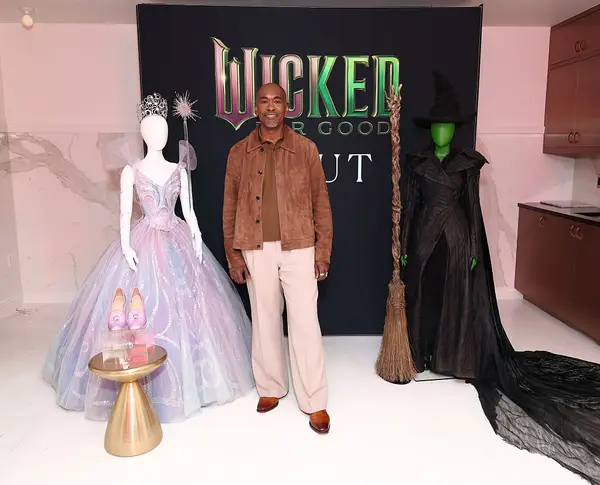
Every artist always shares a part of himself. What part of yourself is there in your amazing costume designs?
I do recall as we were finishing, I commented on how much of myself was projected onto the screen. I believe many viewers of films do not understand or appreciate the thought, intention, and hard work involved in a designer’s process or the actual effort that has gone into creating different personalities on-screen
For me, it was getting my own heart and soul into this musical narrative about these legendary characters. Primarily, it was essential to capture this deeply intense and precious friendship between Elphaba and Glinda, as well as this exploration within the musical narrative and its relevance to “othering,” which is ultimately reflected in Elphaba’s green skin. Additionally, this musical is all about power in the realm of how we can face it as well as claim our self-respect and power as indicated by all those costumes.