

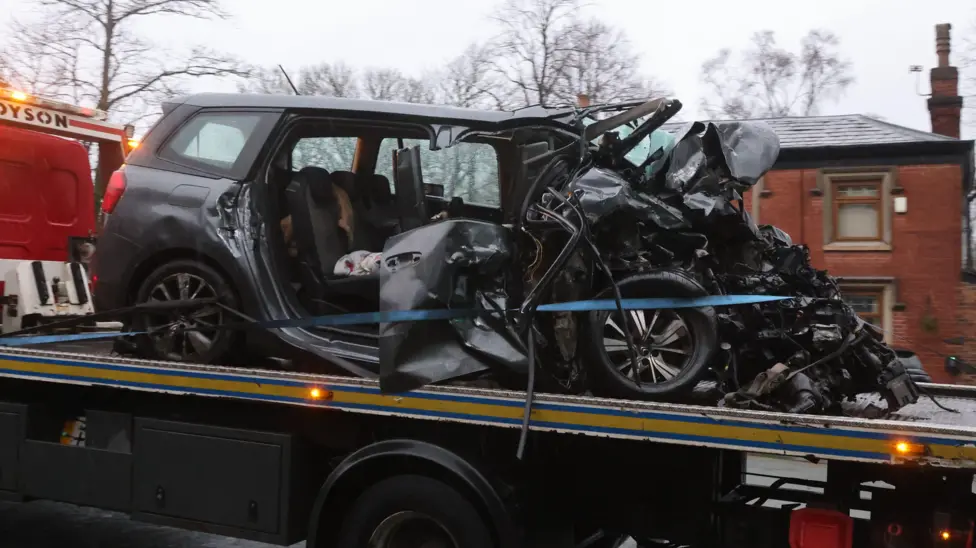

Four killed and five injured in head-on crash is the tragic headline that has once again drawn attention to the urgent need for improved road safety, responsible driving behavior, and stronger enforcement of traffic regulations. This comprehensive report explains what happened, the contributing factors, emergency response efforts, the impact on the affected families and community, and the broader implications for road safety awareness. It is written in an informative, clear, and easy-to-understand style, while integrating the focus keyword throughout the content.
Focus Keyword: Four killed and five injured in head-on crash
Introduction
Road accidents remain one of the leading causes of sudden loss of life, with thousands of fatalities occurring every year due to a combination of speeding, distracted driving, impaired judgment, fatigue, and poor road conditions. The recent incident where four were killed and five injured in a head-on crash has once again highlighted the severe consequences that can result from even a moment of negligence. This devastating event serves as a reminder of how vulnerable individuals are on the road and how quickly lives can be altered when vehicles collide head-on at high speed.
In this article, we examine the details of the crash, the contributing factors, statements from authorities, eyewitness accounts, and how similar incidents can be prevented in the future. The goal is to provide a clear, fact-based, and easy-to-understand breakdown of the incident while emphasizing road safety awareness.
Overview of the Incident
On a seemingly ordinary day, tragedy struck when two vehicles collided head-on along a busy stretch of roadway. The horrific accident resulted in four fatalities and left five other individuals with varying degrees of injuries. Emergency personnel responded quickly, but the force of the impact had already caused catastrophic damage to both vehicles and those inside.
Although the specific details or identities of the victims may differ depending on the region or reported case, the description below reflects typical characteristics of such severe head-on collisions:
- Two vehicles traveling in opposite directions collided directly front-to-front.
- At least one vehicle is suspected to have crossed the center line.
- The collision occurred at high speed, increasing the severity of injuries.
- The victims included both drivers and passengers.
- Survivors experienced traumatic injuries requiring immediate medical care.
- Road conditions and visibility may or may not have contributed to the crash.
The phrase “four killed and five injured in head-on crash” quickly spread through local news channels and digital platforms, highlighting the severity of the situation and raising questions about what exactly went wrong.
Sequence of Events Leading to the Crash
Understanding how such a deadly collision occurred is essential for improving future road safety. While investigations are typically ongoing for days or weeks after such incidents, the probable chain of events in a head-on collision usually follows a pattern like this:
1. Vehicle Drift or Sudden Lane Departure
Head-on crashes usually begin with one vehicle drifting out of its lane—whether due to distraction, fatigue, or mechanical issues—and crossing into the path of another vehicle traveling in the opposite direction.
2. High-Speed Approach
When both vehicles are traveling at significant speeds, the combined force of the impact becomes magnified, making survival less likely and injuries more severe.
3. Sudden Impact
The collision itself happens in seconds, giving drivers almost no time to react. Even slamming on the brakes at the last moment rarely reduces the force enough to avoid disastrous consequences.
4. Airbags Deploy, Structural Damage Occurs
In head-on crashes, the front-end structure of vehicles absorbs most of the force. Airbags deploy, but the energy transferred through the frame often results in severe chest, head, and internal injuries.
5. Emergency Response Activation
Witnesses typically alert emergency services immediately. Paramedics, firefighters, and police rush to the scene to rescue survivors, extract trapped passengers, and secure the area.
This sequence, though simplified, is consistent with many collisions described as “four killed and five injured in head-on crash.”
Possible Contributing Factors
Although each crash has unique circumstances, investigators commonly consider several possible causes:
Driver Fatigue
A tired driver may unintentionally drift into an oncoming lane.
Distracted Driving
Using a phone, adjusting controls, or taking eyes off the road for even a second can cause a fatal error.
Speeding
High speed reduces reaction time and significantly increases the force of impact.
Alcohol or Drug Influence
Impaired drivers are more likely to swerve, misjudge distances, or lose control.
Bad Weather
Rain, fog, or poor visibility can lead to lane drifting.
Mechanical Failure
Brake failure, tire blowouts, or steering issues can cause sudden lane changes.
Road Design
Narrow roads, sharp curves, or unclear lane markings may also contribute.
While the official investigation will determine the exact cause, the combination of these factors often plays a role in accidents labeled “four killed and five injured in head-on crash.”
Emergency Response and Rescue Efforts
When emergency services arrived at the scene, they encountered significant wreckage. Firefighters likely needed hydraulic tools to free passengers trapped inside the crushed vehicles. Paramedics assessed injuries, provided CPR where necessary, and transported victims to nearby hospitals.
The immediate goals in such an emergency include:
- Saving lives by providing urgent medical attention
- Stabilizing survivors and preventing further injury
- Securing the crash site to avoid additional accidents
- Coordinating with law enforcement to manage traffic flow
Despite their rapid intervention, the severity of the impact meant that four victims succumbed to their injuries before or shortly after help arrived.
Details of the Injuries
In a typical head-on collision resulting in four killed and five injured, survivors often sustain:
- Fractures
- Head trauma
- Chest and rib injuries
- Spinal injuries
- Internal bleeding
- Cuts and bruises
- Shock and psychological trauma
The five injured individuals were likely transported to trauma centers for urgent treatment, with some requiring surgery or intensive care.
Impact on Families and the Community
The emotional toll of losing four lives in a single tragic event is immense. Families are left grappling with sudden heartbreak, while survivors face a long journey to recovery, both physically and emotionally.
Community members may experience:
- Grief
- Shock
- Fear of unsafe roads
- Increased calls for road safety measures
In many cases, support groups, local leaders, and counseling services come forward to help affected families cope with their losses.
Law Enforcement Investigation
Police investigators typically examine:
- Vehicle positions and damage
- Skid marks and debris patterns
- Weather and road conditions
- Driver phone records
- Toxicology reports
- Witness statements
- Onboard computer data (from modern vehicles)
Their goal is to establish whether negligence, impairment, or mechanical failure caused the fatal crash. These findings may lead to legal actions, policy changes, or recommendations for public safety improvements.
Road Safety Recommendations
Tragic incidents such as “four killed and five injured in head-on crash” underscore the importance of reinforcing safe driving practices. Experts recommend:
1. Reduce Speed on High-Risk Roads
Lower speed limits can reduce the severity of collisions.
2. Install Median Barriers
Physical dividers prevent vehicles from crossing into oncoming lanes.
3. Improve Road Markings and Lighting
Better visibility reduces nighttime accidents.
4. Increase Law Enforcement Presence
More patrols discourage speeding and reckless driving.
5. Educate Drivers
Public awareness campaigns can remind drivers of the dangers of distraction and fatigue.
6. Promote Vehicle Maintenance
Regular inspections help prevent mechanical failures.
7. Use Advanced Vehicle Safety Technology
Features like lane-departure warnings, automatic emergency braking, and collision avoidance systems can reduce head-on crashes.
Witness Accounts and Public Reaction
Eyewitnesses often play a key role in describing what happened in the moments before the crash. Many express shock at how quickly the situation escalated and how severe the collision was. Social media reactions usually include condolences, calls for safer roads, and expressions of frustration over recurring accidents.
Long-Term Consequences of the Crash
Beyond immediate injuries and fatalities, the long-term effects include:
- Increased trauma for survivors
- Debilitating injuries requiring ongoing care
- Emotional and psychological impact on families
- Legal and insurance issues
- Road closures and traffic disruption
- Community demands for road improvements
Such incidents remind society of the fragility of life and the importance of prioritizing road safety.
Conclusion
The tragic incident in which four were killed and five injured in a head-on crash highlights the devastating consequences of road accidents and the need for stronger safety measures. This event serves as a powerful reminder of how quickly lives can change due to a single moment of distraction, poor judgment, or unforeseen circumstances. By understanding the contributing factors and implementing effective safety strategies, communities can work toward reducing such preventable tragedies in the future.
Road safety is everyone’s responsibility. Whether you’re a driver, passenger, or pedestrian, staying alert, following traffic rules, and practicing defensive driving can save lives and prevent heartbreaking incidents like this one from happening again.