


Introduction
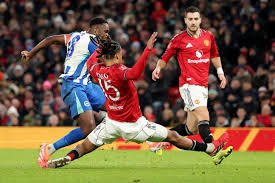
Manchester United is one of the most recognizable names in global football. With decades of success, broad commercial appeal, and worldwide fan support, the club is usually associated with long seasons filled with Premier League battles, domestic cup runs, and European campaigns. Yet the current season marks a dramatic shift. Headlines declaring “Fragile Man Utd set for fewest games in season since 1914-15” reflect a deeper crisis that goes beyond early cup exits or poor form. It reflects instability, structural weakness, and growing concerns about the club’s short-term and long-term future.
To understand the significance of playing fewer games, we must examine the broader context of Manchester United’s sporting decline, the issues behind their fragility, and the lasting impact this could have on the club.
Historical Context: Why 1914-15 Matters
The last time Manchester United played so few matches was during the 1914–1915 season, which was affected by the outbreak of the First World War. Football was suspended shortly afterward, and competitive fixtures were drastically reduced as the nation focused on wartime efforts.
For Manchester United to now have a season comparable to that one—more than a century later—highlights how unusual the situation is. The major factors contributing to the historically low match count include:
- A lack of European football
- Early elimination from domestic cup competitions
- Inconsistent performances
- Squad fragility and injury problems
- Managerial instability
- Tactical inefficiency
When football historians compare the modern era to 1914-15, it is not done lightly. It signals that something foundational has broken within the club.
Why the Phrase “Fragile Man Utd” Fits the Current Situation
The term fragile in the headline “Fragile Man Utd set for fewest games in season since 1914-15” is more than dramatic language; it accurately reflects several major areas of weakness.
1. Fragile Squad Depth
Manchester United’s squad has been stretched thin due to injuries and inconsistent performance levels. This lack of depth makes it difficult to compete across multiple competitions.
2. Fragile Tactical Structure
Repeated changes in formation, strategy, and roles indicate a lack of tactical identity.
3. Fragile Confidence and Mentality
Confidence issues have contributed to poor performances in key matches, especially knockout games.
4. Fragile Club Infrastructure
Decision-making at board and sporting director levels has been unstable for years.
These factors combine to create a situation where Manchester United not only fail to compete at a high level but also struggle to maintain consistency in basic performance standards.
Why Manchester United Are Set for Fewer Games This Season
1. No European Competition
The absence of Champions League, Europa League, or Conference League fixtures dramatically reduces the number of matches. A typical European campaign can add 8–15 games a season.
2. Early FA Cup Exit
A club that historically reaches semifinals and finals is now bowing out early, cutting significant fixtures from their schedule.
3. League Cup Exit
Elimination from the League Cup means fewer midweek games.
4. Limited Pre-Season and Fewer Friendlies
Commercialized pre-season tours sometimes add fixtures, but even those have been trimmed in some recent years.
Combined, these factors make the headline “Fragile Man Utd set for fewest games in season since 1914-15” fully justified.
Impact on the Squad
Playing fewer matches affects the players in multiple ways.
Less Squad Rotation
Managers struggle to give fringe players enough minutes. This:
- Slows the development of young talents
- Decreases match sharpness
- Creates frustration among backup players
Reduced Match Fitness
Competitive match fitness is different from training fitness. Fewer games can leave players underprepared for high-intensity fixtures.
Increased Pressure on Each League Game
When a club is not participating in multiple competitions, every league match becomes more intense because:
- There is less room for error
- Fewer opportunities exist to build momentum
Impact on Club Finances
Manchester United’s financial model is built on deep runs in three key areas:
- European competition revenue
- Domestic cup prize money
- Broadcast rights and match-day income
Fewer games directly impact all three.
Loss of European Revenue
European competitions are worth tens of millions, especially the Champions League. Without them:
- Broadcasting income decreases
- Ticket revenue drops
- Sponsorship bonuses are affected
Reduced Match-Day Revenue
Fewer home games mean:
- Fewer ticket sales
- Lower hospitality revenue
- Decreased merchandise sales
Sponsor Reaction
Some sponsors include performance-related clauses based on:
- Competitions reached
- Total matches played
- Global exposure
A drop in fixtures means a drop in visibility, which impacts brand value.
Tactical and Performance Analysis
To understand why Fragile Man Utd set for fewest games in season since 1914-15, we must analyze on-pitch issues.
1. Lack of Defensive Stability
Manchester United have conceded too many goals in key matches, often losing cup ties due to:
- Poor marking
- Slow transitions
- Errors under pressure
2. Ineffective Midfield Balance
Without a consistent midfield structure, the team becomes:
- Vulnerable to counterattacks
- Poor at controlling possession
- Unable to dictate tempo
3. Inefficiency in Attack
Manchester United’s forwards have struggled with:
- Finishing
- Creativity
- Consistency
- Injury disruptions
This leads to early exits from tournaments where goals matter most.
Managerial Instability
Frequent managerial changes contribute to fragility. Each new manager:
- Wants different players
- Uses a different formation
- Has a different tactical philosophy
This constant resetting prevents growth and weakens squad cohesion.
Long-term Strategy Issues Include:
- Lack of consistency in recruitment
- No clear identity across age groups
- Pressure to succeed immediately rather than build sustainably
This instability is a major factor behind early tournament exits.
Psychological and Cultural Impact
Playing fewer games affects not only the squad but also the club culture.
1. Loss of Winning Mentality
When a club is used to fighting for trophies every season, failing to compete creates:
- Lower morale
- Reduced motivation
- Loss of competitive edge
2. Fan Discontent
Manchester United fans expect:
- Long seasons
- Trophy challenges
- European nights
Without these, frustration and pressure increase.
3. Media Scrutiny
The headline “Fragile Man Utd set for fewest games in season since 1914-15” reflects how stark the situation is. Media pressure can affect:
- Manager confidence
- Player mentality
- Board decisions
Historical Comparisons
To fully understand the significance, we examine how many matches Manchester United typically play in a season.
Typical Man Utd Seasons (Modern Era)
| Competition | Approx. Games |
|---|---|
| Premier League | 38 |
| Champions League or Europa League | 8–15 |
| FA Cup | 3–6 |
| League Cup | 2–5 |
| Pre-season friendlies | 5–8 |
A strong season can total 55–60 matches, while this season may barely reach 40.
How Other Top Clubs Compare
Other elite European clubs usually play:
- Manchester City: 55–61 games
- Liverpool: 50–58 games
- Real Madrid: 50–60
- Bayern Munich: 45–55
Manchester United dropping to around 40 games places them below the standards of modern top clubs.
Long-Term Consequences
The long-term effects of playing fewer games go beyond the current season.
1. Decline in Global Reputation
A club that doesn’t compete frequently risks losing global appeal.
2. Difficulty Attracting Top Players
Elite players look for clubs competing in Champions League knockout rounds.
3. Reduced Commercial Power
Global sponsors prefer clubs with:
- More matches
- Higher visibility
- Better performance
4. Risk of Falling Behind Rivals
Other clubs continue to grow while United stagnate.
Can Manchester United Recover?
Recovery is possible but requires:
1. Strong Sporting Leadership
A clear long-term strategy must be put in place.
2. Better Recruitment
United need players who fit a defined playing philosophy.
3. Consistent Manager Support
Managers need time and backing to build a cohesive squad.
4. Tactical Evolution
The club must modernize its approach to keep up with elite teams.
5. Investment in Youth Development
A long-term focus on academy players can rebuild identity.
Future Outlook
The future depends on decisions made in the coming seasons. Manchester United must:
- Re-establish stability
- Build squad depth
- Re-enter European competitions
- Strengthen club infrastructure
If not, headlines like “Fragile Man Utd set for fewest games in season since 1914-15” will become a recurring theme rather than a one-off warning sign.
Conclusion
The headline Fragile Man Utd set for fewest games in season since 1914-15 highlights a concerning historical low point for the club. This decline is not accidental—it reflects deeper structural, tactical, financial, and psychological problems within Manchester United. With fewer matches than any season in more than a century, the club faces challenges that go beyond on-pitch results.
To recover, Manchester United must:
- Stabilize leadership
- Improve recruitment
- Restore tactical identity
- Rebuild squad depth
- Re-establish competitive standards
Only by addressing these issues can the club return to the long and successful seasons that supporters expect.