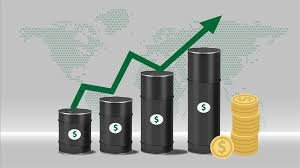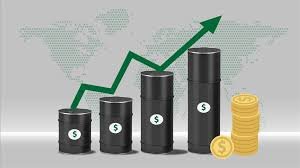
Why Oil Prices Keep Rising
Why oil prices keep rising is a question that affects every consumer, business, and national economy. It influences everything from gas station prices to airline tickets, food costs, heating bills, and manufacturing. When oil prices go up, the effects ripple across global markets and touch nearly every product we use.
This article provides a comprehensive market analysis of why oil prices keep rising, what drives price volatility, how geopolitical tensions shape global supply, the role of demand from emerging economies, and—most importantly—what it means for consumers. The writing is clear, simple, informative, and grounded in economic fundamentals to ensure readers at all levels can understand the topic.
Table of Contents
- Introduction
- The Historical Context of Rising Oil Prices
- Key Reason 1 — Geopolitical Tensions
- Key Reason 2 — Supply Constraints and Production Cuts
- Key Reason 3 — Rising Global Demand
- Key Reason 4 — OPEC+ Strategy and Price Control
- Key Reason 5 — Market Speculation and Investor Sentiment
- Key Reason 6 — Energy Transition Pressures
- Key Reason 7 — Inflation and Currency Fluctuations
- How Rising Oil Prices Affect Consumers
- Impact on Transportation Costs
- Impact on Food and Retail Prices
- Impact on Housing and Utilities
- Impact on Business Operations
- How Governments Respond to Rising Oil Prices
- How Rising Oil Prices Influence Global Politics
- Predictions for Future Oil Prices
- Strategies Consumers Can Use to Reduce the Impact
- Conclusion
1. Introduction
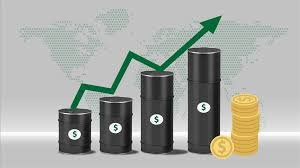
Why oil prices keep rising has become one of the most frequently searched economic questions in recent years. Global energy markets have been shaken by conflict, supply disruptions, and shifting political alliances. At the same time, demand continues to expand in both developed and developing countries.
Oil is a unique commodity because it fuels transportation, powers industries, and influences the cost of nearly every product we use. This makes rising oil prices a global issue—not just a financial one. Consumers feel the impact immediately, especially at gas stations, supermarkets, and in their monthly bills.
2. The Historical Context of Rising Oil Prices
Understanding why oil prices keep rising requires looking at the broader economic history of the last several decades. Oil prices have always been influenced by major world events:
- The 1973 oil embargo
- The Gulf War
- The 2008 financial crisis
- The COVID-19 pandemic
- The Russia-Ukraine conflict
Each event caused severe price shocks, demonstrating how sensitive oil markets are to global instability. Historically, oil prices rise whenever supply is threatened or demand sharply increases.
3. Key Reason 1 — Geopolitical Tensions
One of the most significant reasons why oil prices keep rising is geopolitical conflict. Oil-producing regions are often politically unstable, and conflict can rapidly reduce supply, drive panic in financial markets, and create uncertainty.
This includes:
- Conflicts in the Middle East
- Economic sanctions on major oil producers
- Military escalations near oil shipping routes
- Political instability in oil-rich nations
When global tension increases, oil traders expect supply disruptions, and prices rise almost instantly.
4. Key Reason 2 — Supply Constraints and Production Cuts
Another major factor in why oil prices keep rising is controlled or limited production. When supply is intentionally restricted—whether due to economic decisions, infrastructure limitations, or natural disasters—global prices climb.
Key causes of supply constraints include:
- OPEC+ production cuts
- Pipeline shutdowns
- Refinery maintenance or accidents
- Sanctions limiting exports
- Aging infrastructure
Even a small decrease in supply can dramatically increase prices because oil demand remains relatively constant.
5. Key Reason 3 — Rising Global Demand
Why oil prices keep rising is strongly tied to worldwide demand. As developing countries grow and industrialize, their need for fuel increases.
Countries like:
- China
- India
- Brazil
- Indonesia
—all significantly boost global oil consumption. As millions of new vehicles hit the roads and manufacturing expands, oil demand grows faster than supply.
6. Key Reason 4 — OPEC+ Strategy and Price Control
OPEC+ (Organization of the Petroleum Exporting Countries plus partners) plays a crucial role in why oil prices keep rising. This coalition controls around 40% of global oil production.
By strategically adjusting output levels, they influence global prices. For example:
- Cutting production raises prices
- Increasing production can lower prices
In recent years, OPEC+ has preferred maintaining higher prices, which affects everything from gasoline costs to airline fuel surcharges.
7. Key Reason 5 — Market Speculation and Investor Sentiment
Oil is heavily traded in financial markets, and investor speculation is a major factor in why oil prices keep rising. Traders attempt to predict future supply and demand, which often amplifies price movements.
If investors believe:
- conflict will worsen
- production will fall
- demand will grow
—they buy oil futures, driving prices up even before real-world supply changes occur.
8. Key Reason 6 — Energy Transition Pressures
As countries transition toward renewable energy, investments in oil exploration and refining have slowed. This creates a supply shortage because oil demand remains high even while new drilling projects are limited.
This paradox—reduced investment + sustained demand—explains why oil prices keep rising during the energy transition.
9. Key Reason 7 — Inflation and Currency Fluctuations
Inflation increases the cost of production, refining, and shipping. A weaker dollar also raises oil prices, because oil is globally priced in U.S. dollars.
When the dollar drops in value:
- oil becomes cheaper for foreign buyers
- global demand increases
- prices rise
Thus, currency strength directly influences global oil prices.
10. How Rising Oil Prices Affect Consumers
Understanding why oil prices keep rising helps explain the price increases consumers see in daily life. Oil influences nearly every part of the economy, especially in sectors that rely on transportation, energy, or manufacturing.
Consumers feel the impact in:
- fuel costs
- grocery prices
- shipping fees
- heating bills
- airline tickets
The ripple effects are wide-ranging and long-lasting.
11. Impact on Transportation Costs
Gasoline and diesel prices inevitably rise when oil becomes more expensive. This directly affects:
- daily commuting costs
- ride-share pricing
- public transportation budgets
- commercial trucking fees
Higher transportation expenses raise costs for every sector that relies on delivery or mobility.
12. Impact on Food and Retail Prices
Why oil prices keep rising also impacts grocery stores. Food production and distribution rely heavily on fuel. When transportation becomes more expensive, retail prices increase.
Examples include:
- Higher prices for fruits and vegetables
- Increased cost of packaged goods
- Rising shipping fees for online purchases
Every item that travels long distances becomes more expensive.
13. Impact on Housing and Utilities
Higher oil prices also raise home energy costs:
- heating oil bills increase
- electricity prices rise where oil is part of the grid
- building materials become more expensive
Construction companies face higher transportation and fuel costs, leading to increased housing expenses.
14. Impact on Business Operations
Businesses feel the pressure too. Rising oil prices increase operational costs across many industries:
- airlines
- shipping companies
- manufacturing
- construction
- agriculture
Higher operational costs often lead to higher consumer prices, reduced profit margins, or job cutbacks.
15. How Governments Respond to Rising Oil Prices
Governments attempt to reduce consumer burden through:
- fuel subsidies
- tax reductions
- strategic petroleum reserve releases
- price caps
However, these are temporary solutions. They do not address the underlying global supply-demand imbalance.
16. How Rising Oil Prices Influence Global Politics
Nations that export oil often gain political leverage when prices are high. Meanwhile, oil-dependent nations face economic strain. This dynamic influences:
- diplomatic negotiations
- trade agreements
- military alliances
Understanding why oil prices keep rising is essential to understanding global power shifts.
17. Predictions for Future Oil Prices
Analysts predict continued volatility due to:
- geopolitical instability
- supply shortages
- limited investment in new drilling
- growing global demand
Oil may reach higher peaks in coming years unless alternative energy sources expand rapidly and globally.
18. Strategies Consumers Can Use to Reduce the Impact
While consumers cannot control global oil prices, they can reduce their personal financial impact by:
- Using fuel-efficient transportation
- Reducing unnecessary travel
- Carpooling or using public transport
- Comparing heating suppliers
- Increasing home energy efficiency
- Avoiding peak travel seasons
These adjustments can offset some cost increases caused by rising oil prices.
19. Conclusion
Why oil prices keep rising is the result of a complex mix of geopolitical tension, supply constraints, rising global demand, inflation, and market speculation. Understanding these factors helps consumers see the bigger picture behind higher energy and consumer prices.
As long as demand remains strong and supply remains limited, oil prices will likely continue rising. Consumers, businesses, and governments must adapt by improving energy efficiency and diversifying energy sources.