

Introduction
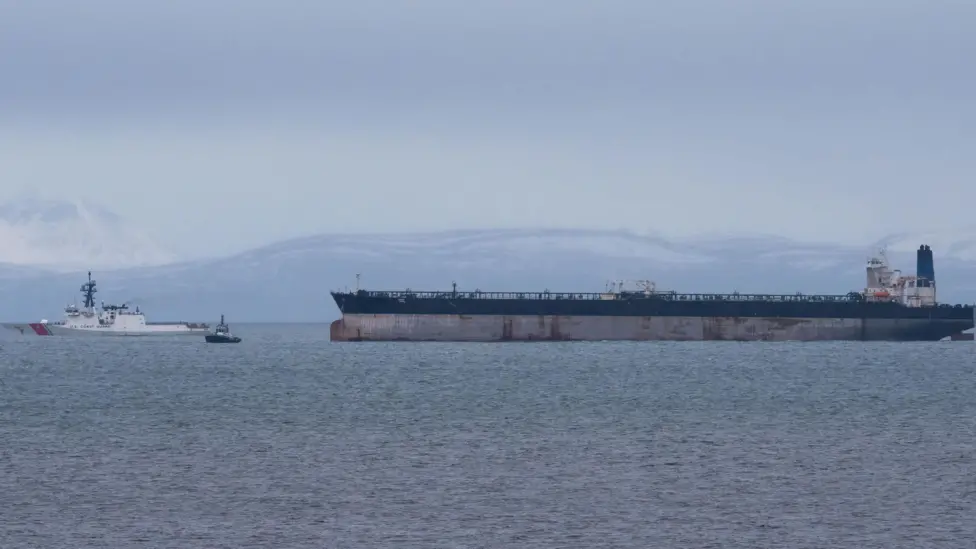
Oil tanker seized by US forces has been spotted in Scotland’s Moray Firth, raising international attention and concerns over maritime security, geopolitical tensions, and energy markets. The incident marks a rare display of U.S. intervention in international shipping waters, highlighting the growing scrutiny of global oil transportation and trade compliance.
This article provides a detailed, informative, and easy-to-understand analysis of the oil tanker seized by US, including the circumstances of its capture, international implications, potential consequences for energy markets, and the reactions from Scotland, the U.S., and other global actors.
1. Background of the Incident
The oil tanker seized by US was first identified by satellite tracking systems as it approached northern European waters. Authorities noted unusual maneuvering patterns that triggered security alerts.
According to maritime officials:
- The vessel was en route to a port with potentially sanctioned cargo.
- Interception procedures were coordinated with international partners.
- The tanker entered Scotland’s Moray Firth under close surveillance.
This marks a significant enforcement of international sanctions and reflects increased U.S. oversight in global maritime oil trade.
2. The Strategic Importance of Moray Firth
Scotland’s Moray Firth is a key maritime corridor, connecting North Sea oil routes to European markets. The presence of the oil tanker seized by US underscores the strategic significance of this area.
Key points include:
- Proximity to major oil installations in northern Scotland.
- Frequent shipping lanes for crude and refined petroleum.
- Surveillance infrastructure capable of monitoring high-risk vessels.
The incident demonstrates how strategic chokepoints are monitored for compliance with international trade and sanctions.
3. Legal and Regulatory Context
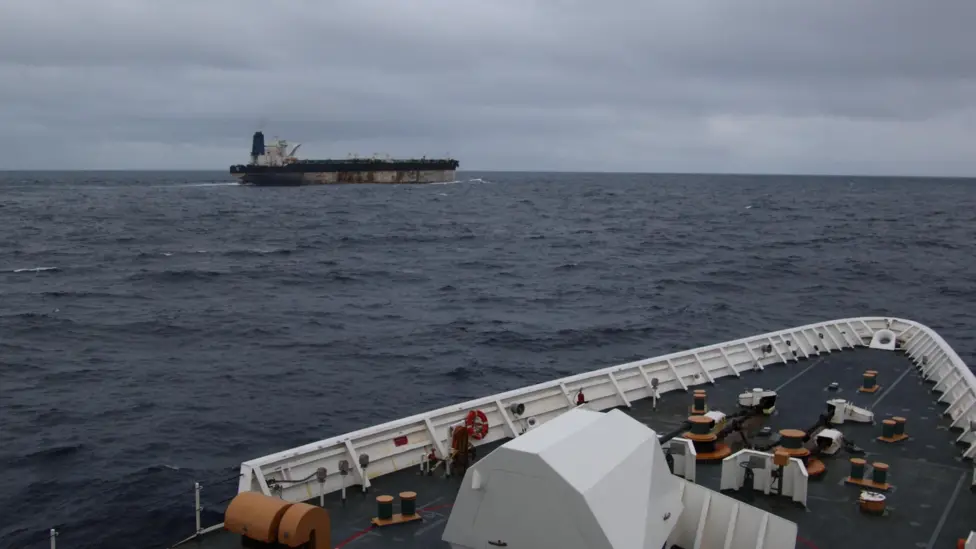
The seizure of the oil tanker seized by US falls under complex international maritime and trade laws. U.S. authorities cited:
- Enforcement of sanctions against certain countries.
- Prevention of illicit oil shipments.
- Maritime security protocols under international law.
This legal framework allows the U.S. to act on vessels in international waters or foreign ports under specific conditions, which explains why the tanker was intercepted in Moray Firth.
4. Identification of the Tanker
The oil tanker seized by US has been registered under a foreign flag, commonly used to circumvent restrictions or regulations. Identification involved:
- Automatic Identification System (AIS) tracking.
- Satellite imagery confirming tanker size and route.
- Intelligence reports from U.S. and allied maritime agencies.
Once confirmed, authorities coordinated with Scottish maritime officials to ensure safe monitoring and enforcement.
5. Cargo Details
While details remain partially classified, the oil tanker seized by US is believed to be carrying crude oil or refined petroleum products. Cargo implications include:
- Compliance with international sanctions on certain countries.
- Potential market impact due to unexpected removal of supply.
- Assessment of any contraband or illegal shipments.
Analysts note that the tanker’s cargo has significant economic implications, highlighting why enforcement is a priority.
6. International Response
The oil tanker seized by US has prompted responses from multiple governments and international organizations:
- United Kingdom: Monitoring the tanker’s movements and ensuring legal compliance.
- European Union: Expressed concern over enforcement actions affecting trade.
- Other countries: Reviewing potential impacts on energy supply and maritime security.
Coordination among allies helps mitigate risks and prevents escalation of diplomatic tensions.
7. Implications for U.S. Maritime Policy
The oil tanker seized by US reflects a broader policy of active maritime enforcement. This incident shows:
- Increased focus on sanction compliance.
- Use of intelligence for targeted vessel interception.
- Strategic presence in key shipping corridors.
Experts note that such actions reinforce U.S. influence in energy security and global trade oversight.
8. Impact on Oil Markets
The presence of the oil tanker seized by US in international news immediately influenced market perceptions:
- Crude oil prices showed slight volatility following reports.
- Traders anticipated temporary supply disruptions.
- Analysts emphasized that compliance enforcement may affect global oil flow.
Energy markets are sensitive to such incidents, especially when vessels are detained in strategic shipping corridors like Moray Firth.
9. Security Measures and Surveillance
Scotland’s authorities, alongside U.S. maritime security, maintained strict surveillance of the oil tanker seized by US:
- Patrol vessels monitored the tanker’s movement.
- Aerial drones and satellite imagery tracked activity.
- Contingency plans were prepared for any deviation from approved routes.
These measures highlight the logistical complexity of enforcing sanctions on high-value oil shipments.
10. Risk of Escalation
While the oil tanker seized by US is primarily a legal enforcement action, geopolitical risks exist:
- Countries affected by the seizure could protest diplomatically.
- There is potential for retaliatory measures in trade or shipping.
- International tension could rise if enforcement is perceived as overreach.
Monitoring and diplomacy are crucial to prevent escalation.
11. Energy Security Considerations
The oil tanker seized by US emphasizes the importance of energy security:
- Securing supply chains ensures stability in oil-dependent industries.
- Enforcement of sanctions deters illicit trading.
- Strategic oversight helps maintain market confidence.
Energy security is a top priority for both the U.S. and European nations relying on oil imports.
12. Potential Legal Proceedings
Authorities indicated that the oil tanker seized by US may face legal proceedings to determine compliance with sanctions:
- Inspection of cargo for contraband.
- Assessment of ownership and flag registration.
- Determination of jurisdiction for prosecution or fines.
These legal processes may take months but establish a precedent for maritime enforcement.
13. Historical Precedents
The oil tanker seized by US is part of a series of enforcement actions historically undertaken by the U.S.:
- Interceptions in the Persian Gulf during sanctions enforcement.
- Detentions related to North Korean oil shipments.
- Past seizures in the Caribbean targeting illicit trade.
History demonstrates that strategic seizure of vessels is a standard tool in U.S. maritime policy.
14. Environmental Considerations
Authorities took precautions during the oil tanker seized by US operation to prevent environmental damage:
- Oil spill response teams were on standby.
- Navigation routes were monitored to avoid collisions.
- Safety protocols ensured minimal disruption to local ecosystems.
These measures underline the importance of balancing enforcement with environmental protection.
15. Public and Media Attention
The oil tanker seized by US attracted significant media coverage:
- International news outlets reported on the tanker’s location and cargo.
- Public debates emerged over U.S. authority in international waters.
- Analysts provided commentary on potential market impacts.
Media scrutiny emphasizes transparency and accountability in maritime enforcement.
16. Coordination with Scottish Authorities
The oil tanker seized by US operation required close coordination with local authorities:
- Scottish maritime security ensured legal compliance.
- Coastal monitoring helped track the tanker.
- Joint communication protocols were established for rapid response.
Such coordination demonstrates the importance of allied partnerships in global maritime security.
17. Economic Implications for Shipping Industry
Shipping companies closely watched the oil tanker seized by US case:
- Risks of detention or seizure may affect insurance costs.
- Compliance requirements may increase operational complexity.
- Trade patterns could shift due to enforcement precedents.
Shipping companies are adapting to ensure vessels meet international regulations.
18. Future Enforcement Trends
The oil tanker seized by US indicates broader trends:
- Increased surveillance of sanctioned shipments.
- Greater intelligence sharing among allies.
- Proactive maritime interdiction in strategic regions.
These trends suggest more frequent monitoring of high-risk oil tankers.
19. Impact on Local Communities
Scotland’s coastal communities experienced indirect effects from the oil tanker seized by US:
- Heightened maritime activity in Moray Firth.
- Presence of security and enforcement personnel.
- Increased attention to local ports and navigation routes.
Community engagement helps ensure safe operations near sensitive zones.
20. Expert Analysis
Energy and security experts note that the oil tanker seized by US has implications for both trade and diplomacy:
- It underscores the U.S. commitment to sanction enforcement.
- Highlights the importance of strategic chokepoints in oil transport.
- Serves as a cautionary example for international shipping compliance.
Experts expect similar operations in the future to maintain control over global energy flows.
21. Conclusion
The oil tanker seized by US spotted in Scotland’s Moray Firth is a significant event in global maritime and energy security. It highlights:
- Strategic importance of maritime corridors.
- Enforcement of international sanctions.
- Coordination between the U.S. and allied nations.
- Potential market and geopolitical consequences.
While the operation is largely legal and precautionary, its impact resonates across shipping, energy markets, and international relations. Monitoring, transparency, and cooperation are essential to managing similar incidents in the future.
The oil tanker seized by US serves as a reminder of the complex interplay between maritime enforcement, energy security, and geopolitical strategy in the modern world.
Seduction whispers in my ear, begging me to act. – girlsfun.short.gy/Ju0Xdq?vap
[…] documents indicated that the combination of alcohol and the vulnerability of the girls created a situation in which Alford was alleged to have engaged in non-consensual sexual […]