



Sting pays Police bandmates £600,000 in royalties is the headline that has attracted attention across the music world, legal commentary, and fan communities alike. In a high-profile legal development, Sting — the celebrated musician, frontman of The Police, and award-winning solo artist — has been required to pay a substantial sum to his former bandmates after a dispute over historic royalty payments came before the High Court in London. The case highlights the complexities of music publishing, how agreements struck decades ago are interpreted today, and the evolving nature of revenue streams in the streaming era.
In this article, we explain why Sting pays Police bandmates £600,000 in royalties, how the dispute unfolded, what it means for the former band members, and why it matters for artists beyond The Police. From the beginnings of the band’s contracts in the late 1970s to the court’s recent finding on royalty splits, this detailed report offers a complete, clear, and accessible overview of an important cultural and legal story.
1. Introduction: What Happened and Why It Matters
The fact that Sting pays Police bandmates £600,000 in royalties stems from a legal ruling that historic royalty agreements between Sting and his former bandmates Andy Summers and Stewart Copeland had not been fully honoured in the context of modern revenue streams — especially streaming and digital sales. After legal action was initiated by Summers and Copeland, the High Court found that Sting owed monies under the original agreements, and a payment of just over £600,000 has now been made to address those underpayments.
Although royalties in the music industry often spark controversy, this case is especially notable because these are not just routine songwriter disputes but involve one of the most successful rock bands of the late 20th century — The Police — whose recordings have generated immense ongoing income decades after their initial release.
In the sections that follow, we break down the background of The Police, detail the agreements at issue, explain the legal arguments, and outline the implications of the ruling that resulted in Sting pays Police bandmates £600,000 in royalties.
2. Background on The Police and the Royalty Dispute
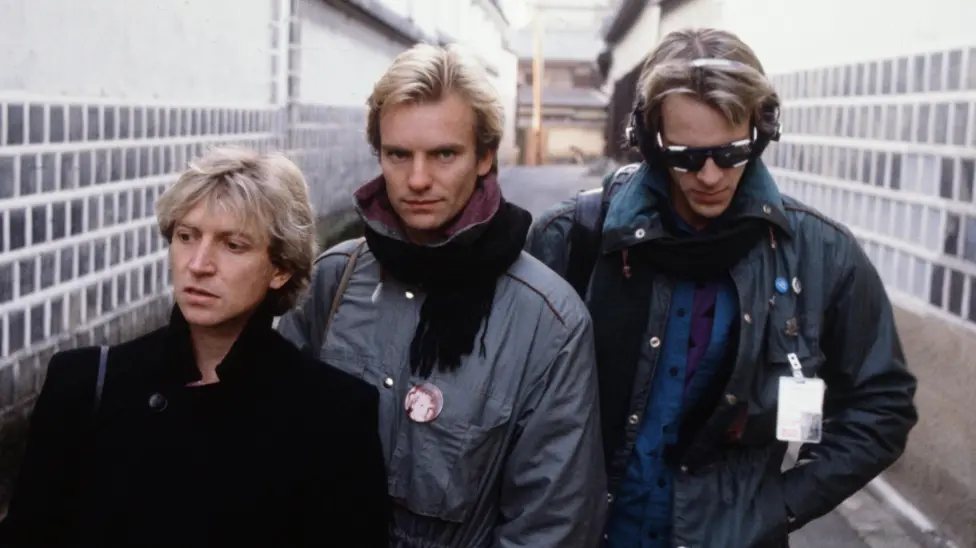
The Police was formed in 1977 and became one of the most commercially successful rock bands of their era, with iconic songs like Roxanne, Message in a Bottle, Walking on the Moon, and Every Breath You Take. Although Sting wrote the vast majority of the band’s hits, contributions from Andy Summers (guitar) and Stewart Copeland (drums) were key to the band’s sound and success.
In the early years of The Police, the members reached a verbal understanding — later formalised in written contracts — that when one member received publishing income for a song, a share (commonly described as an “arranger’s fee”) would be paid to the other band members. These arrangements were codified in contracts at various points: 1977, 1981, 1997, and again in 2016.
However, none of these agreements explicitly mentioned streaming royalties, which emerged decades later. The core of the dispute leading to Sting pays Police bandmates £600,000 in royalties was over whether digital streams (Spotify, Apple Music, etc.) and other modern income counts toward the revenue splits outlined in The Police’s historic agreements.
3. The Original Agreements Explained
To understand why Sting pays Police bandmates £600,000 in royalties, it’s necessary to unpack the historic agreements:
1977 Verbal Agreement
When The Police formed, the band members reached a verbal understanding that if Sting wrote a song, he would share a percentage of the publishing income with Summers and Copeland, as a way of acknowledging their contributions. That often meant roughly 15% in “arranger’s fees” to the other two members.
1981 Written Agreement
The verbal agreement was formalised in writing in 1981. The complexity of band contributions to songwriting and arrangements was recognised, but the precise language regarding royalties — especially what types of income were covered — was not fully modernised for future technologies.
1997 Agreement
In 1997, the agreement was updated to address existing sources of income, but it still did not explicitly account for digital revenue streams that would later become dominant.
2016 Agreement
A significant update was agreed in 2016, but even this contract did not clearly anticipate streaming or digital income. This contractual ambiguity eventually became central to Summers’ and Copeland’s claim that Sting owed them further royalty payments, beyond what they had received under the old language.
The crux of the High Court’s examination was whether the language used in these historic agreements entitled Summers and Copeland to share in digital and streaming income — not just mechanical royalties from physical records.
4. How Streaming Changed the Equation
The way fans consume music has transformed dramatically since The Police’s peak years. Where once vinyl records, cassettes, and CDs were the primary revenue sources, today streaming platforms like Spotify, Apple Music, and YouTube generate vast portions of income for iconic catalogues like The Police’s.
The original contracts pre-dated these platforms, and that gap in language became a legal battleground. Summers and Copeland argued that Sting pays Police bandmates £600,000 in royalties because the band had agreed to share all publishing income — and streaming is undeniably a major source of publishing income today.
Sting’s legal team countered that the 2016 agreement — which they asserted represented the definitive contract — limited royalties to traditional mechanical income from “the manufacture of records”, excluding streaming. Under Sting’s interpretation, money generated by streaming services is more akin to a public performance fee rather than classic mechanical sales, and therefore not covered under the agreement.
The dispute over how the contracts applied to streams led Summers and Copeland to seek a court ruling, culminating in the decision that resulted in Sting pays Police bandmates £600,000 in royalties to remedy historic underpayments.
5. The High Court Decision
A pivotal moment in the case was the London High Court ruling that found Sting’s publishing company did not fully allocate royalties in accordance with the original agreements when it came to streaming and modern formats. The court concluded that Summers and Copeland were entitled to a share of royalty income they had not previously been paid.
Summaries of the ruling indicate:
- The court determined that the historic agreements did not exclude income from digital or streaming sources in the way Sting’s team had argued.
- Sting’s company had underpaid Summers and Copeland under the royalty terms agreed across the band’s contracts.
As a result, Sting pays Police bandmates £600,000 in royalties — a figure reflecting recognised underpayments, owed interest, and legal costs. These payments are intended to compensate Summers and Copeland for what the court found they were due under the terms agreed decades earlier.
6. Financial Breakdown of the £600,000 Payment
The total amount Sting has paid to his former bandmates in The Police as part of this legal resolution exceeds £600,000 when converted from reported figures. This includes:
- Back-royalties owed from previous periods under historic contractual terms.
- Interest on unpaid sums
- Legal costs awarded to Summers and Copeland
The court’s order was not merely a symbolic figure but grounded in specific calculation of underpaid income — reflecting the reality that streaming and digital income form a significant part of The Police’s ongoing revenue.
The payment is separate from Sting’s solo earnings and does not affect royalties from his post-Police catalogue. Instead, it pertains only to The Police’s joint recordings where performance and publishing agreements gave Summers and Copeland entitlement to earnings.
7. Legal and Industry Significance
The ruling that led to Sting pays Police bandmates £600,000 in royalties has broader implications beyond just this band. Legal commentators note that the case:
- Clarifies how historic music contracts are interpreted in the age of digital distribution
- Underlines the importance of clear language regarding streaming income in publishing agreements
- Sets precedent for other artists seeking similar royalties from legacy catalogues
The music industry has long grappled with how to handle streaming revenue, especially for contracts drawn before streaming existed. This ruling underscores that contractual language will be analysed closely by courts when disputes arise.
8. Perspectives from Summers and Copeland
Andy Summers and Stewart Copeland have maintained that their contributions to The Police’s signature sound warranted equitable participation in all revenue categories — not just mechanical royalties from album sales. Their lawsuit and the resulting payment reflect those long-standing views.
Although they may have earned from tours and other ventures over the years, Summers and Copeland argued that the agreed share of publishing income — including from streaming — was owed to them under the original band agreements.
Their legal action was not framed purely as a dispute over money but as an effort to ensure that decades of successful exploitation of The Police’s music honoured the spirit and letter of the agreements made by the band members themselves.
9. Sting’s Position and Response
Sting’s legal team strongly contested the claims that streaming and digital sales royalties should be shared in the way Summers and Copeland sought. Their argument rested on the precise language of the 2016 agreement and the nature of streaming income.
At various stages in the proceedings, Sting’s representatives asserted that:
- The agreements did not cover streaming royalties.
- Summers’ and Copeland’s arguments amounted to an attempt to reinterpret language that had stood for decades without dispute.
- In fact, Summers and Copeland may have even been overpaid historically on certain categories of income.
While the court ruled against the narrow view that excluded streaming income, Sting’s broader position raised important legal questions about contractual interpretation in the digital era.
10. The Band’s Legacy and Public Reaction
News that Sting pays Police bandmates £600,000 in royalties has sparked conversation among fans, music historians, and industry professionals. Many observers see the ruling as a victory for fairness and recognition of collective band contributions, while others point out the challenges of unraveling decades-old agreements in a modern context.
Fans of The Police have weighed in across social media, noting that while Sting was the primary songwriter, the band’s sound was equally shaped by Summers and Copeland’s performances.
The dispute also renews interest in the band’s remarkable catalogue — a combination of rock, reggae influences, and innovative songwriting that made The Police one of the defining acts of their generation.
11. Broader Implications for Music Contracts
The rule that led to Sting pays Police bandmates £600,000 in royalties highlights a crucial takeaway for musicians and songwriters: clear, future-proof language matters when drafting contracts. Specifically:
- Contracts should explicitly define how streaming income is treated.
- Historic agreements must account for technological changes in distribution.
- Royalty splits should anticipate future revenue sources.
As music continues to evolve with new platforms and monetisation models, artists and rights holders will likely revisit older catalogues to ensure equitable and legally sound arrangements.
12. What Happens Next?
Following the payment of just over £600,000, questions remain about ongoing royalty streams and whether Summers and Copeland will continue to receive expanded shares of future income. The court’s findings suggest that future royalty statements must reflect the correct split agreed upon in historic contracts — including modern sources like streaming.
Many industry watchers expect further clarification from the courts or new agreements between the parties that will govern income from digital platforms going forward.
13. Conclusion
Sting pays Police bandmates £600,000 in royalties represents more than a headline — it is a significant moment in music publishing history that underscores how legacy agreements interact with modern revenue streams. From Vernon Yard agreements in the 1970s to high-stakes lawyers in London’s High Court, the journey reflects the enduring value of The Police’s music and the importance of contractual clarity.
By understanding why Sting pays Police bandmates £600,000 in royalties, fans, musicians, and industry professionals can see how evolving technology, historical agreements, and artistic collaboration intersect in one of the most successful bands of all time.
[…] down step-by-step with tips, tools, platforms, earning potential, and strategies to ensure you succeed. The goal is to help beginners Make Money Online with confidence and clarity, without getting […]
[…] and maintain results for life. Weight loss is not about perfection—it’s about consistency, patience, and building a lifestyle you truly […]
[…] Whether you’re starting for fun, a side hustle, or a full-time business, following the steps in this guide will give you a clear roadmap to building a successful YouTube presence in 2026 and beyond […]