

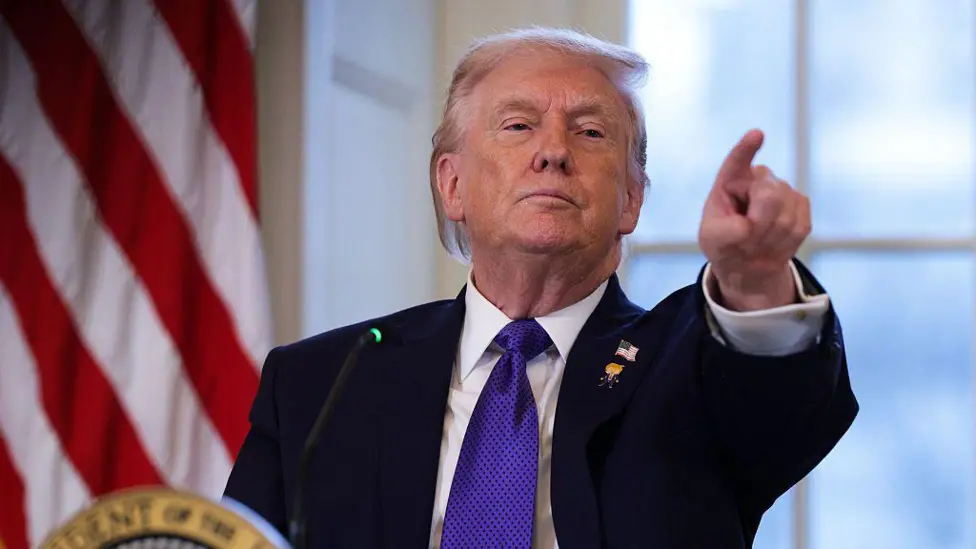
Trump tells Cuba to ‘make a deal, before it is too late’ — this headline captures a tense moment in U.S.–Cuba relations during Donald Trump’s presidency. The statement, made publicly and amplified through political speeches, social media posts, and administration briefings, signaled a dramatic shift in Washington’s stance toward Havana.
This article uses the focus keyword throughout and delivers a detailed, easy-to-understand, and informative analysis of the context, implications, motivations, and potential outcomes behind Trump’s message. Covering political, economic, and diplomatic dimensions, this piece examines how this warning reshaped bilateral ties and what it means for the future of the region.
Introduction: A Renewed Warning Across the Florida Strait
When former U.S. President Donald Trump declared, “make a deal, before it is too late,” directed at Cuba, it immediately sparked global attention. The phrase indicated mounting pressure on Havana to negotiate changes on political freedoms, economic policies, and its support for Venezuela’s government.
This was not an isolated comment but part of a broader strategy to reverse many of the diplomatic openings initiated under the Obama administration. With the U.S. intensifying sanctions and tightening restrictions on travel, trade, and financial interaction, Cuba found itself once again confronting severe external pressure.
Trump’s warning was interpreted by analysts as a combination of political messaging, geopolitical leverage, and economic bargaining. For supporters, it represented a firm stance against authoritarian regimes; for critics, it risked deepening humanitarian challenges in Cuba.
Background: Understanding the Shift in U.S. Policy
To understand why Trump tells Cuba to ‘make a deal, before it is too late,’ it helps to review the policies that shaped U.S.–Cuba relations before and during his presidency.
Obama’s Efforts Toward Normalization
Under President Barack Obama, the U.S. took significant steps to ease decades-long hostility and economic isolation. These included:
- Restoring diplomatic relations
- Reopening embassies in Washington and Havana
- Easing travel restrictions
- Allowing more financial transactions and remittances
- Restoring commercial flights and cruise travel
- Expanding cultural and academic exchanges
These steps were highly significant after more than 50 years of Cold War-era hostility.
Trump’s Reversal and Strategic Pressure
Upon taking office, Trump began rolling back many of Obama’s initiatives. Trump’s administration argued that Cuba had not met expectations on human rights and continued to support Venezuela’s leadership under Nicolás Maduro.
Trump’s policies toward Cuba aimed to:
- Increase economic pressure
- Curb tourism revenue
- Restrict financial flows
- Reduce fuel access from Venezuela
- Strengthen sanctions on Cuban leaders
By doing so, the administration hoped to force Cuba into political concessions while aligning with hard-line Cuban American voters in Florida.
Why Trump Issued the Warning
The statement “make a deal, before it is too late” was not random—it was strategically timed and politically calculated. Several key reasons explain why Trump issued this warning.
1. Pressure on Cuba’s Support for Venezuela
Cuba and Venezuela have long-standing political and economic ties. Cuba receives subsidized oil from Venezuela in exchange for sending medical personnel, intelligence advisors, and political support.
Trump’s administration accused Cuba of:
- Propping up Maduro’s government
- Supplying intelligence and security support
- Interfering in Venezuela’s political processes
By telling Cuba to “make a deal,” Trump was signaling that the U.S. expected Havana to withdraw its support for the Venezuelan regime or face escalating consequences.
2. Strengthening Political Support in Florida
Florida is a critical battleground state in U.S. elections, and Cuban American voters form a significant political bloc. Many Cuban Americans hold strong anti-communist views and oppose any normalization with Havana.
Trump’s hardline position appealed directly to:
- Cuban American voters
- Venezuelan American voters
- Nicaraguan American voters
These communities largely favor policies that pressure authoritarian governments in Latin America.
3. Economic Leverage and Strategic Positioning
Cuba’s economy was already under significant strain due to:
- Reduced aid from Venezuela
- Declining tourism
- U.S. sanctions
- Internal economic inefficiencies
- Shortages of fuel and food
By applying maximum pressure, Trump aimed to force Cuba to negotiate from a weakened position. The message implied that economic collapse could be avoided only by cooperation.
4. Domestic Political Messaging
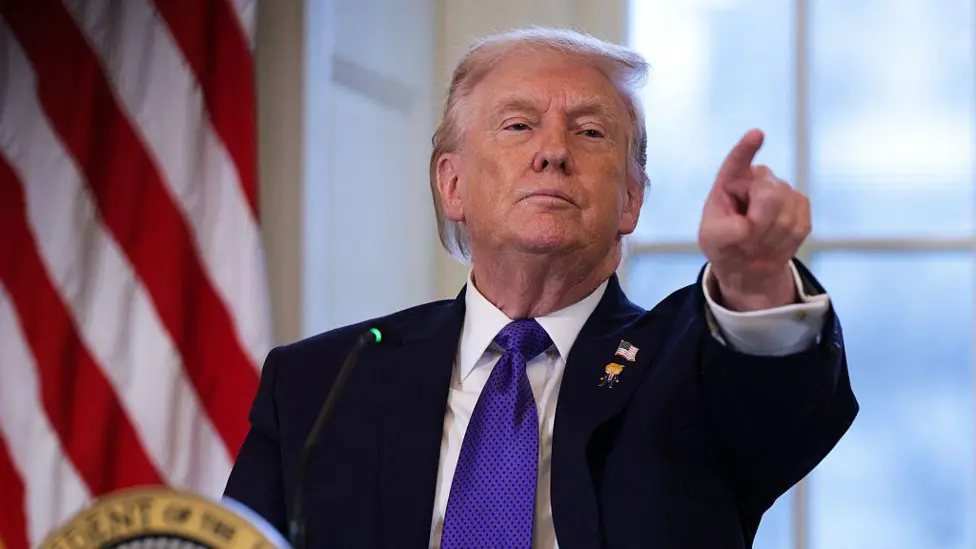
The phrase “make a deal, before it is too late” echoed Trump’s business-centered communication style. It framed diplomacy as a negotiation rather than a diplomatic engagement. It emphasized urgency, risk, and leverage—core elements of Trump’s brand.
Cuba’s Response to Trump’s Warning
Cuba’s government responded strongly to the message, rejecting what it described as threats and interference in domestic affairs. Cuban officials stated:
- The U.S. had no right to dictate Cuba’s political system
- Sanctions were illegal and harmful
- Cuba would not abandon Venezuela
- Trump’s actions were designed to win votes among Cuban Americans
Cuban leaders portrayed Trump’s stance as a return to Cold War aggression and warned that pressure would only strengthen its resistance.
Impact on Cuba’s Economy
The statement Trump tells Cuba to ‘make a deal, before it is too late’ coincided with policies that had deep and immediate economic consequences. These included:
1. Decline in Tourism
Restrictions on:
- Cruise ships
- Individual “people-to-people” travel
- Commercial flights to Cuban cities
significantly reduced the number of American visitors, cutting off vital revenue.
2. Shortages of Fuel and Goods
Sanctions targeting shipping companies delivering oil from Venezuela created fuel shortages, leading to:
- Blackouts
- Reduced public transportation
- Slowdowns in manufacturing
- Limited agricultural production
3. Decline in Remittances
Restrictions on money transfers affected Cuban families who relied on financial support from relatives abroad.
4. Business Closures
Private businesses such as restaurants, guesthouses, and small retailers suffered due to decreased tourism and limited supplies.
Impact on Cuban Citizens
While Trump’s pressure was aimed at government elites, many of its effects were felt by ordinary Cuban citizens. Challenges included:
- Food shortages
- Higher prices
- Longer wait times for basic goods
- Reduced income from tourism
- Energy blackouts
- Medical supply shortages
The economic stress contributed to rising frustration and occasional protests, although Cuba’s government maintained tight control.
Diplomatic Implications
Trump’s warning also had broader diplomatic consequences that affected the Western Hemisphere and beyond.
U.S. Relations With Latin America
By pressuring Cuba, Trump was also signaling to:
- Venezuela
- Nicaragua
- Bolivia (at the time of Morales)
that the United States would take a tougher stance against governments it viewed as authoritarian.
Relations With Allies
European nations—including Spain, Canada, and France—disagreed with Trump’s approach. They argued that engagement, not isolation, was more effective.
Global Strategic Competition
The harder the U.S. pushed Cuba, the more likely Havana was to strengthen ties with:
- Russia
- China
- Iran
This dynamic risked pushing Cuba further into alliances that challenged U.S. influence.
Potential Consequences if No Deal Was Made
Trump’s message implied serious consequences. Analysts identified several possible outcomes if Cuba did not negotiate.
1. Economic Collapse
Continued pressure could push Cuba’s economy toward deeper recession or collapse, creating:
- Mass migration
- Increased poverty
- Political instability
2. Humanitarian Crisis
Sanctions could worsen shortages of:
- Medicine
- Food
- Fuel
- Essential supplies
3. Increased Regional Tension
U.S. pressure could escalate conflict between political allies and opponents in Latin America.
4. Political Unrest Within Cuba
Economic hardship could trigger more internal dissent, although Cuba’s government maintained strong security control.
Did Cuba Have Incentive to Negotiate?
Cuba faced a complex dilemma. Making concessions could bring economic relief but risked internal political fractures. Not negotiating could worsen the economic crisis but allow leaders to maintain ideological consistency.
Arguments for Negotiation
- Economic relief
- Better access to global markets
- Improved relations with other countries
- Reduced reliance on Venezuela
Arguments Against Negotiation
- Potential loss of political control
- Fear of appearing weak
- Ideological resistance
- Risk of U.S. demanding more concessions later
Ultimately, Cuba chose not to engage in major concessions.
Trump’s Broader Strategy in Latin America
The warning to Cuba was part of a larger effort to reshape U.S. policy in the region. This included:
- Pressure on Venezuela
- Sanctions on Nicaragua
- Support for opposition movements
- Strengthening relations with right-leaning governments in Brazil and Colombia
It was a multi-layered approach aimed at weakening leftist governments.
Long-Term Effects on U.S.–Cuba Relations
Even after Trump left office, the impact of his policies and statements continues to shape the relationship.
Lasting Effects Include:
- Reduced diplomatic engagement
- Stricter economic sanctions
- Limited travel options
- Lower remittances
- Economic strain on Cuba
- Distrust between governments
The phrase “make a deal, before it is too late” remains symbolic of the confrontational tone established during Trump’s presidency.
Could a Deal Still Happen in the Future?
There are several factors that could influence whether the U.S. and Cuba might negotiate again.
Factors That Could Support Future Negotiations
- Economic need in Cuba
- Changing political leadership
- Public pressure for reform
- Shifts in U.S. foreign policy
- Support from international partners
Factors That Could Prevent Negotiations
- Political resistance in Cuba
- Opposition from U.S. lawmakers
- Continued support for Venezuela
- Geopolitical alliances with Russia or China
Conclusion
Trump tells Cuba to ‘make a deal, before it is too late’ remains a significant phrase in understanding the dramatic shift in U.S. policy toward Cuba during Donald Trump’s presidency. It represented a mixture of political strategy, economic pressure, and foreign policy realignment.
The statement encapsulated Trump’s broader approach—direct, confrontational, and focused on leverage. For Cuba, the warning highlighted the risks of continued economic isolation and geopolitical entanglements.
The long-term impact of Trump’s policy decisions continues to influence U.S.–Cuba relations, creating challenges and opportunities for future diplomatic engagement. Whether Cuba ultimately approaches the negotiating table or maintains its current stance will depend on internal political considerations, economic pressures, and international dynamics.